
Cultures of New Zealand
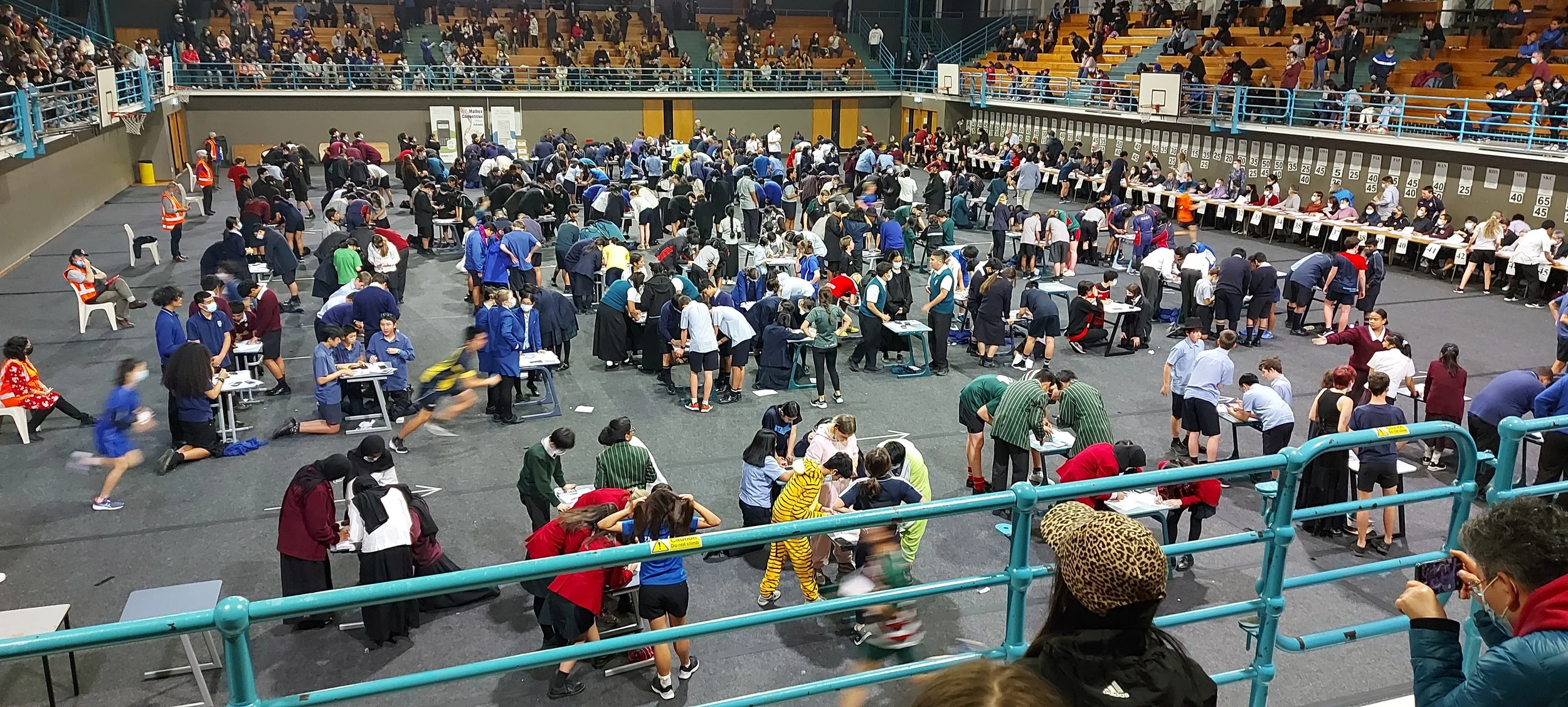
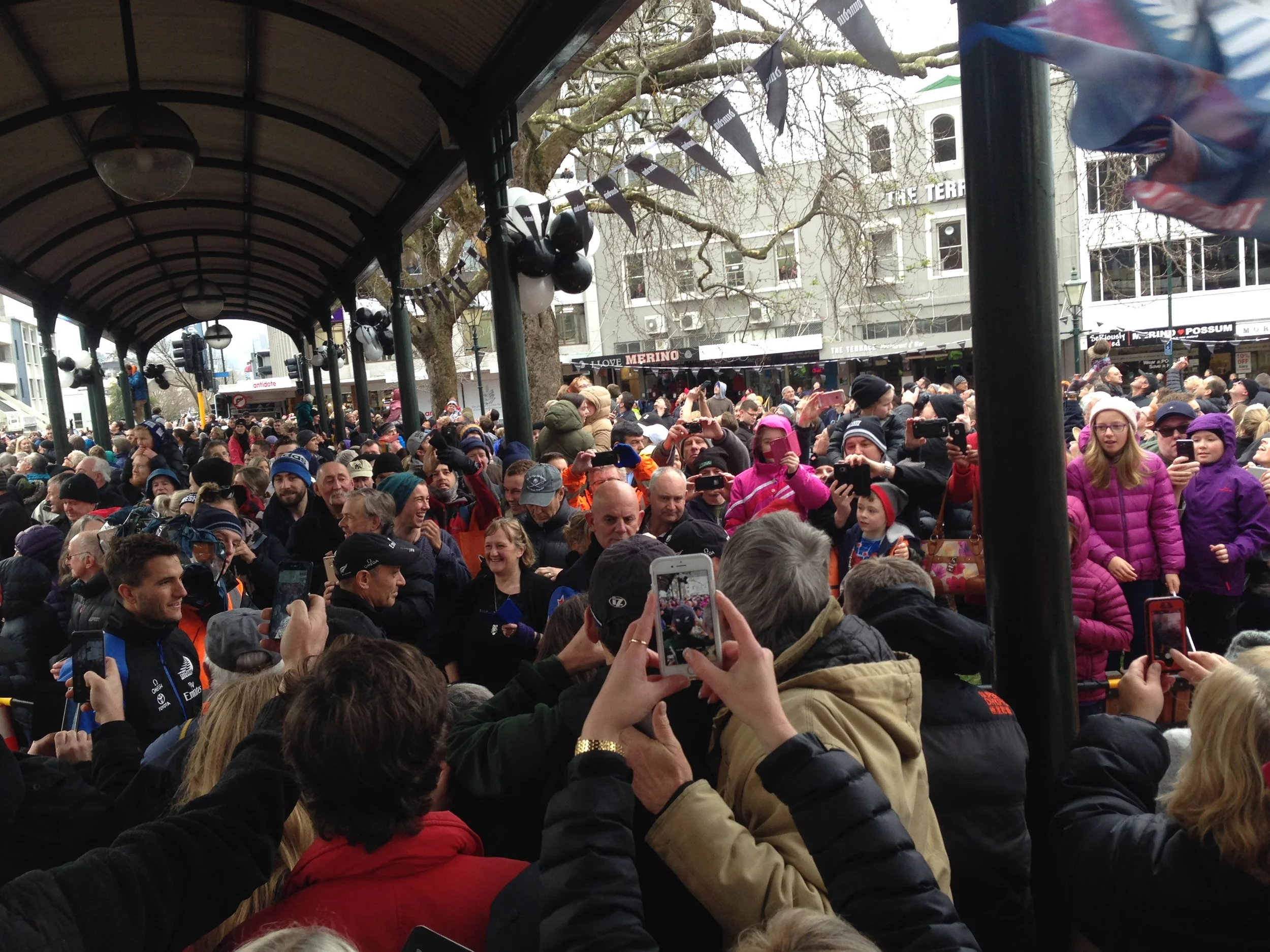
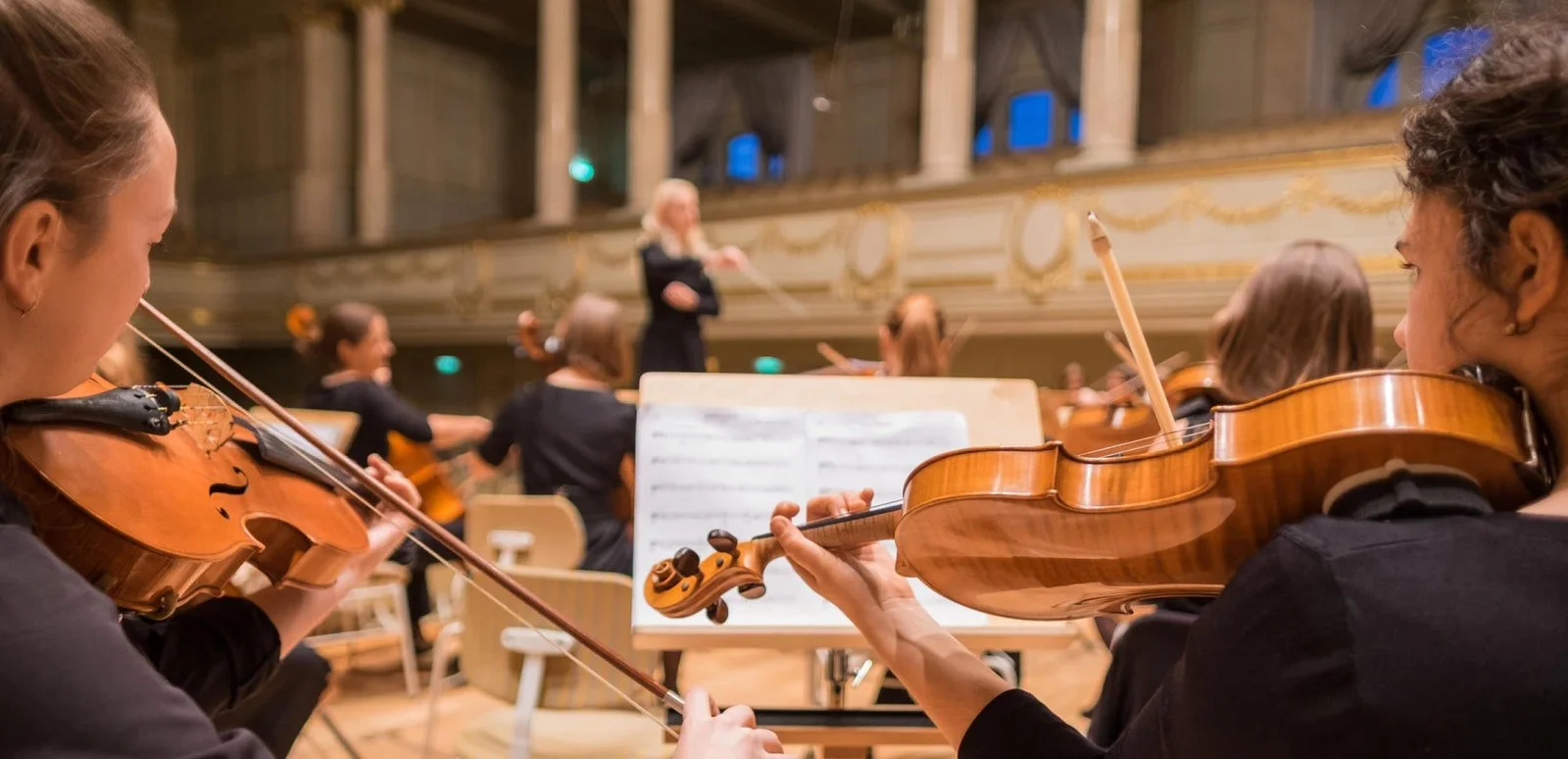
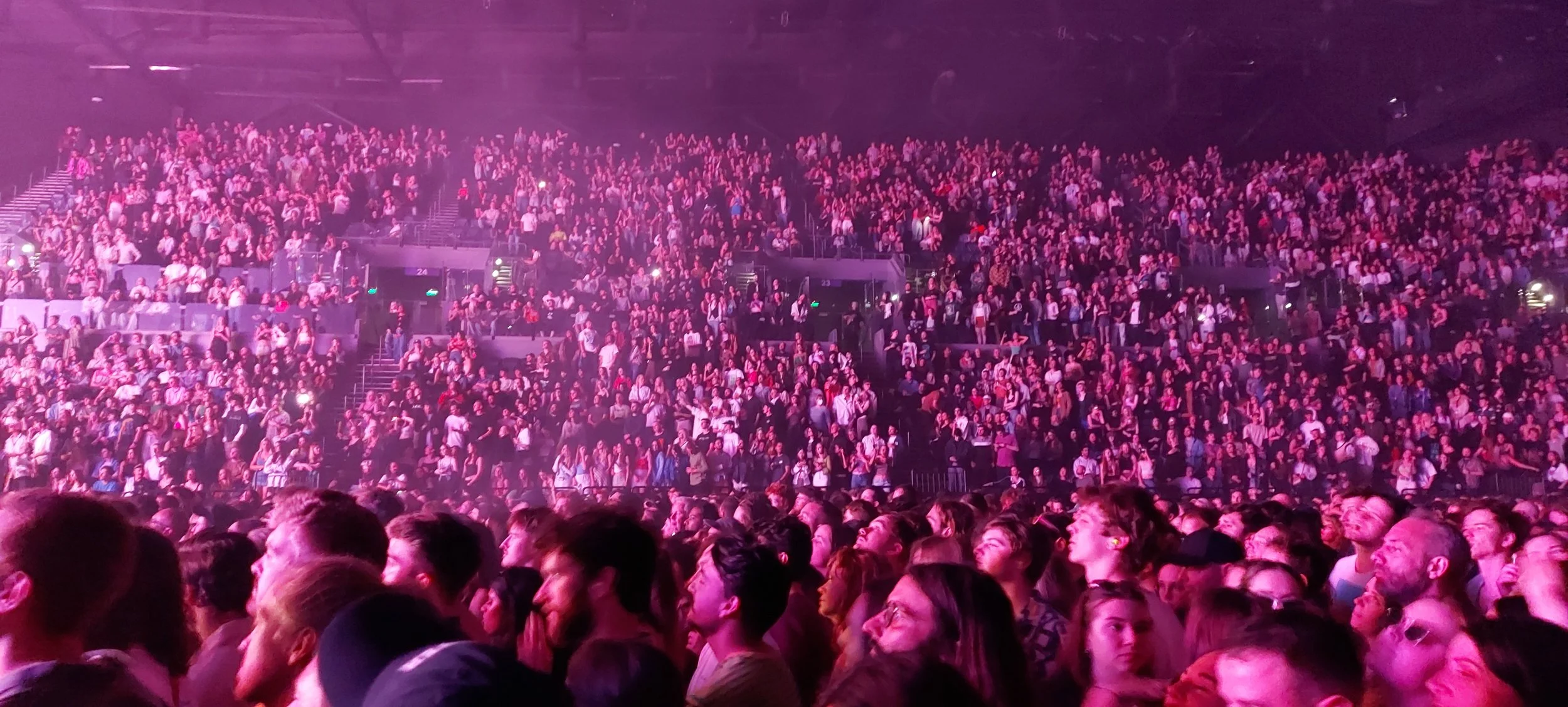
Kiwis are an eclectic bunch. We’re a small ethnically-diverse island nation tucked away in the South Pacific, full of down-to-earth people with a relaxed sense of humour and an egalitarian spirit. Being ‘Kiwi’ is special and inclusive – it’s part of our longstanding multicultural identity. Ever wonder why Kiwis make awkward reality TV personalities? Our laid-back demeanour just doesn’t measure up to the narcissism needed to appear on Married at First Sight. Our culture is quite clearly different, and too precious to reduce to ratings or clicks. We need a public media system to support it.
Culture needs a custodian
The media is deeply intertwined with our cultures. Consider how often you interact with media in your day-to-day life. Whether it’s watching TV, tuning into the radio, or scrolling your news feed, the media is everywhere in our lives. Through it we laugh at ourselves, learn about societal issues, and absorb communal customs.
Public media is ideally suited to this custodianship role, because it is inclusive.
It’s impossible to define the ‘Kiwi’ identity. There is no ‘middle New Zealand’. New Zealand is many things but no one thing to all. It goes without saying we’re obsessed with rugby but not at the expense of other sports. We love a range of grub – from pāua fritters to nāinai’s dumplings to butter on toast with a hint of marmite. Some of us are outdoorsy types, others love a good book, an arts festival, noisy cars, hip hop, bromeliads, kapa haka, zombie movies, religion, basketball, meditation or all of the above. Our culture is multi-cultural. it is many faceted and requires a diverse media system to prop all parts up.
Left to commercial media, our culture is exposed to the cold logic of the market. It’s like entrusting a national park to a mining company – there might be nice words about preserving the environment and a few stands of native bush that CEOs can point to as ‘public service’ but ultimately making profits for shareholders undoes any real investment in protecting our heritage.
Not all ‘culture’ has obvious commercial appeal - be it reo Māori, history, or the fine arts - but that doesn’t make it any less important.
International shows can be entertaining but so too can programmes made closer to home, which also have the immeasurable benefit of reflecting our values back to us. Ever notice Kiwi kids speaking with American drawls? We need more and better Kiwi content to entertain and inform Kiwis and by osmosis, reinforce Kiwi values and vowel-sounds!
In New Zealand, we’ve recognised the need to preserve our environment, and have invested considerable government resources to do so. BPM believes New Zealand culture is equally important and worth conserving. Like our rivers and forests, it requires kaitiakitanga to protect it from exploitation. We must never forget who we are. For these reasons, BPM supports a public media system to promote all facets of our culture and cultures.